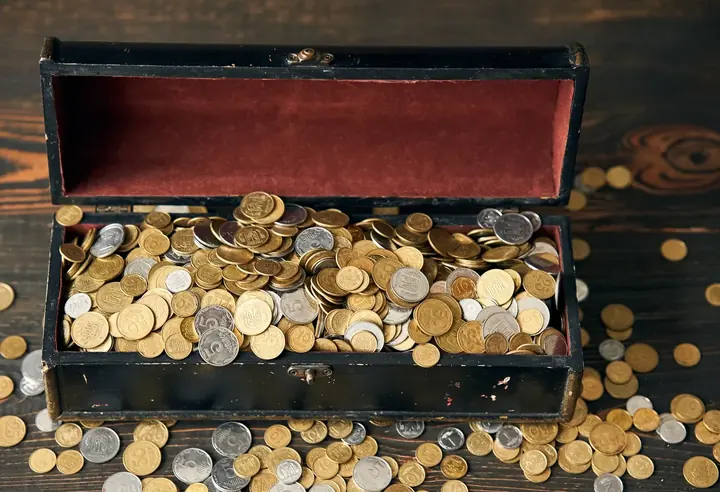
Step one: leave it alone
Resist the urge to clean, sort or pull coins out of albums. Cleaning cuts value, and pulling coins from old albums can scratch them. Envelopes and notes can tell a buyer where a coin came from, so keep those too.
Step two: gather what you have
Put everything in one place. Look in closets, dressers, the basement, any safe and any bank box. Add receipts, lists and old appraisals if you can find them.
- Albums, folders and sets
- Rolls, tubes and jars
- Bank bags of silver dollars
- Gold coins and bullion
- Old paper money
- Medals, tokens and souvenirs
Step three: get an itemized offer
A fair offer lists each better coin with its date, grade and price, and groups the common coins by type. It shows the spot price used for gold and silver. With that, you can compare buyers on equal terms.
Step four: decide what to sell
You do not have to sell everything. Many families keep a few coins with meaning and sell the rest. If something is worth sending to a major auction, a good buyer will tell you.
Step five: get paid
Ask how you will be paid before you agree to anything. For larger sales, ask for a bank wire and a written receipt that lists every item sold.
Quick answers
Should I sell coins one at a time?
Usually not. Selling a collection together saves time, and a good buyer prices each better coin on its own anyway.
Do I need the original purchase receipts?
No. They help with taxes and history, but they are not required to sell.
Ready to sell? See inherited collections with St. Louis Coin Buyers.