- Home
- What we buy
- Inherited collections
Selling an inherited coin collection in St. Louis
When a parent leaves coins, gold or old money behind, we go through every piece with the family and put it all in writing.
Monday to Friday, 9am to 5pm, by appointment.
Rather we call you?
Leave your name and number and we will call you back the same business day.
Or call (314) 891-0078
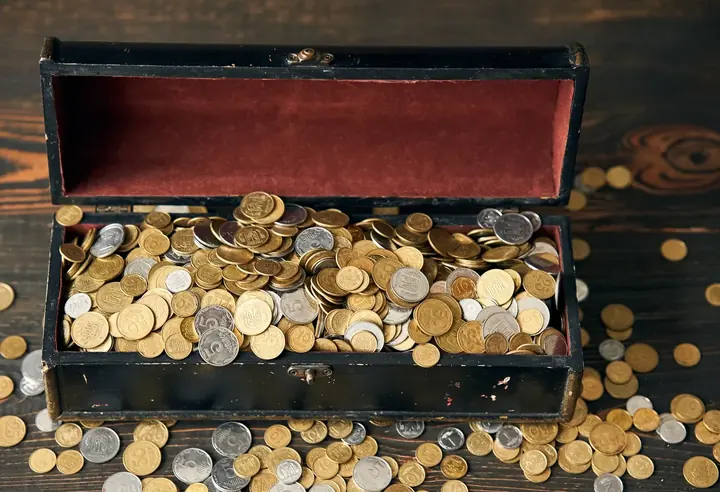
What turns up in St. Louis estates
- Coin albums and blue folders
- Cigar boxes and jars of old change
- Silver dollars in drawers and bank bags
- Gold coins from closet safes
- World's Fair medals and gold dollars
- Old paper money in books and Bibles
- Proof sets bought year after year
- Gold jewelry and sterling
How we price an estate
We go lot by lot. Gold and silver are weighed and bought on their metal. Coins and notes with collector appeal are graded and priced on what the market pays today. Modern clad coins are counted at face.
The written offer lists every item or group, so siblings and executors all see the same numbers. Sell all of it, part of it or none of it.
Estates in the St. Louis area
St. Louis families are famous for staying put. Ask anyone where they went to high school and you will see why: roots run deep, and so do the closets. A house that one family owned for fifty years can hold coins from three generations.
Get in touch before anyone holds a tag sale or hauls things away. Coins and old bills are easy to miss and easy to underprice in a tag sale, and a can of dimes can hold silver worth far more than face.
First steps for the family
There is no deadline on coins. They will not lose value sitting in a dry closet for a few more weeks. When the family is ready, gather everything in one place and leave coins in their albums, rolls and envelopes.
Check the obvious places, then the odd ones. St. Louis basements have workbenches, fruit cellars and coal bins, and older flats often have a cubby or two behind the stairs.
- Keep coins together and dry
- Leave coins in their holders
- Save receipts, lists and envelopes
- Agree on keepsakes before the appointment
World's Fair items in estates
Families who lived in St. Louis in 1904 brought home souvenirs from the fair, and many still sit in a drawer or a box in the attic. They include Louisiana Purchase gold dollars, official medals, aluminum souvenirs and ribbons. A few are worth a lot. Most are modest. We sort them and tell you plainly.
Working with executors
Estates often involve several people: siblings in different cities, an executor and sometimes an attorney in Clayton. Everyone gets the same itemized list, with each piece described, weighed or graded and priced. We can email it to anyone you name.
When an auction is the better call
Most estates sell well to a local buyer. Now and then an estate turns up a coin or bill rare enough for a national auction house. If something like that turns up, you hear about it right away. We can still buy the rest of the estate.
Paying the estate
Payment goes to whoever the paperwork names: the executor, the estate's account or a family member. The estate gets a receipt listing every item.
Related reading: How to sell a coin collection in St. Louis
Inherited collections: questions
Can you send the offer to our attorney?
Yes. Just tell us who should get a copy of the offer, and we will email it.
Can the family keep some coins?
Yes. Tell us what to leave out and we will price only the rest.
How long does an estate appointment take?
Usually one to two hours. A very big estate can take two visits.
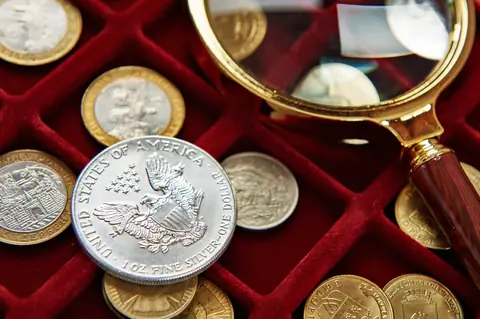 Free appraisals
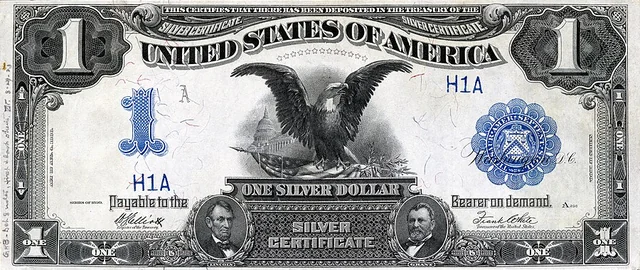 Old paper money
Find out what your coins and old money are worth
Call for a free private appraisal anywhere in the St. Louis area. Every coin, bill and piece of gold is checked where you can watch, and the offer is written down.