Sell your coins, gold and old money in St. Louis
Bring the cigar box, the albums or the whole safe. We look at every piece with you and write down what we would pay before you decide anything.
Monday to Friday, 9am to 5pm, by appointment.
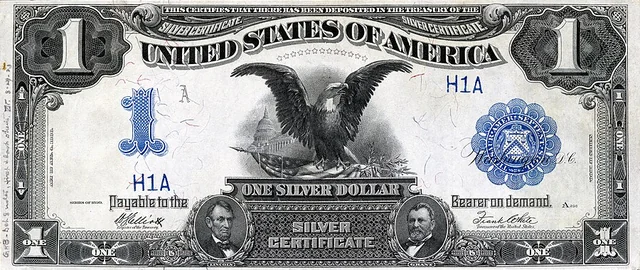
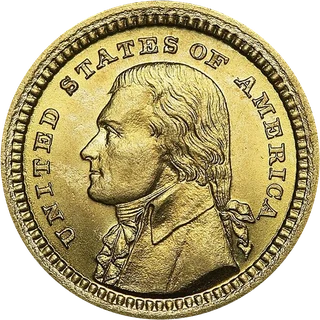
- No charge for the appraisal, no pressure to sell
- Gold and silver weighed on a scale you can see
- Every item and price on a written offer
What kind of old bill do you have?
Look at the seal on the front of the note. Its color tells you what kind of paper money it is and what to check next.
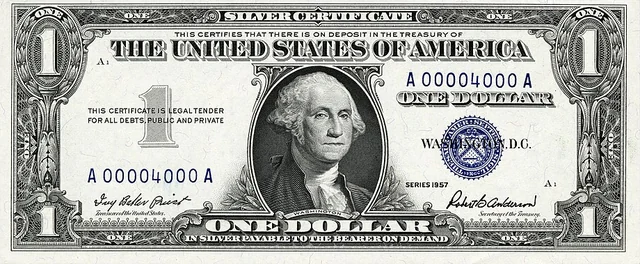
Blue seal
Silver certificate
Small size, 1928 to 1957
How to spot it: A blue seal and blue serial numbers, usually on a $1 bill, with "Silver certificate" printed across the top.
- Worn $1 notes from 1935 and 1957 usually sell for a little over face value.
- Uncirculated notes, star notes (a star beside the serial number) and series 1928 notes bring more.
- The $5 and $10 silver certificates turn up less often than the $1.
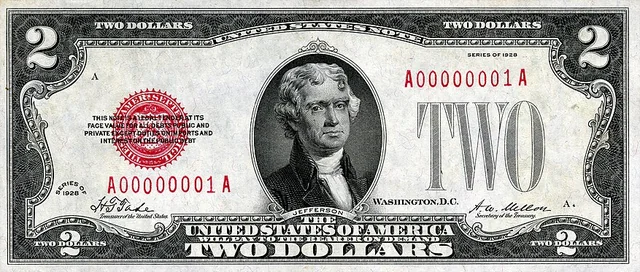
Red seal
United States note
Small size, 1928 to 1966
How to spot it: A red seal and red serial numbers. Most turn up as $2 and $5 bills dated 1928, 1953 or 1963.
- Worn 1953 and 1963 notes usually bring a modest premium over face.
- Series 1928 notes, star notes and crisp uncirculated notes bring more.
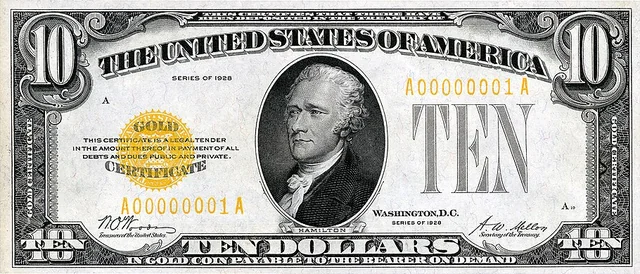
Gold seal
Gold certificate
Small size, 1928
How to spot it: A gold seal and gold serial numbers, with "Gold certificate" printed on the front. Older large-size gold certificates have a bright orange back.
- Gold certificates are scarcer than most old money, and every denomination brings a premium over face.
- They have been legal to own since 1964.
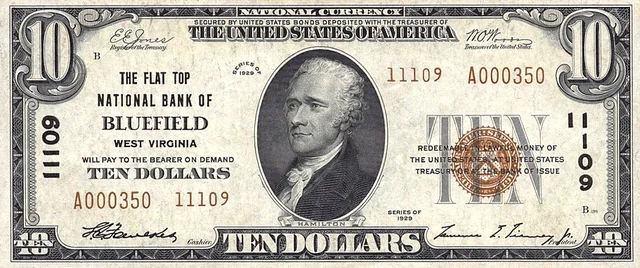
Brown seal
National bank note
Small size, 1929 to 1935
How to spot it: A brown seal, with a bank's name and town printed in the middle of the note and its charter number in the margins.
- Collectors pay for the bank and the town, so notes from small or short-lived banks can bring well over face.
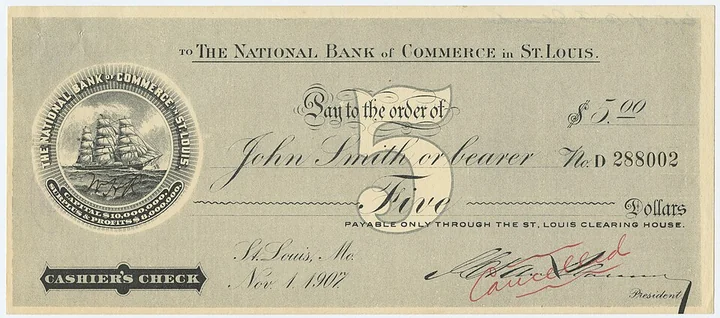
- Notes from St. Louis banks have their own following among Missouri collectors.
Large size
Large-size note
Before 1929
How to spot it: Clearly bigger than today's money, about 7.4 by 3.1 inches. The seal can be any color.
- Almost every large-size note is worth more than face value, even well worn.
- The type, series, signatures and condition decide how much more.
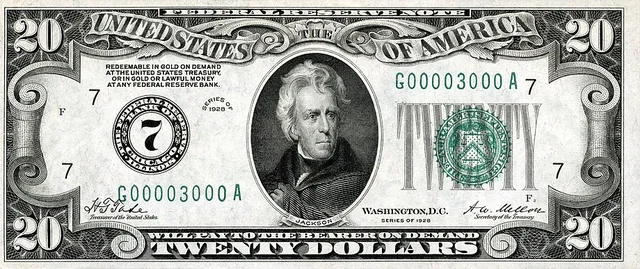
Green seal
Federal Reserve note
1928 to today
How to spot it: A green seal and green serial numbers, like the money in your wallet.
- Most are worth face value.
- Series 1928 and 1934 notes in nice condition, star notes, fancy serial numbers and printing errors can be worth more.
These are general guides, not offers. Series, condition, star notes and serial numbers all move the price, so every note gets looked at before anyone puts a number on it.
Why St. Louis sellers call us
St. Louis is a brick city, and brick houses get passed down. A two-family flat in Tower Grove, a bungalow in Affton or a big house in University City can sit in one family for sixty years, and the coins, bills and jewelry inside pile up quietly the whole time.
When it is time to sort through it, we go piece by piece. Silver gets separated from copper, the better coins get graded under a loupe, old paper money gets checked against current prices and gold goes on the scale. You get the whole thing in writing and decide from there.
Every appointment is private, weekdays only. For a large estate, ask about a longer visit.
What we buy in St. Louis
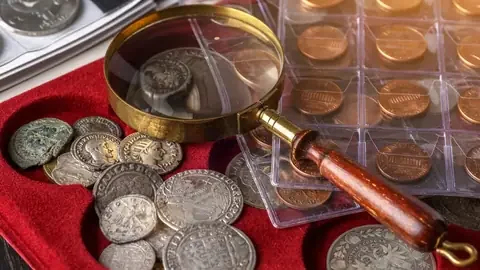 Old coinsRaw and graded U.S. coins, from wheat cents to Barber halves.
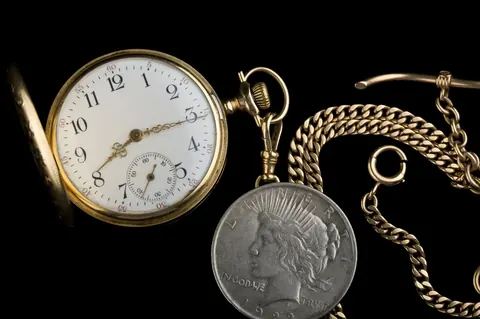 Gold jewelry and scrapChains, rings, class rings, watches and dental gold, sorted by karat.
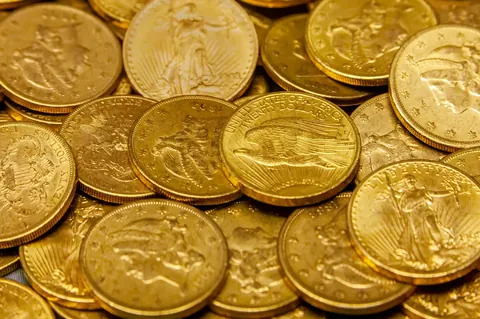 Gold coinsDouble eagles, half eagles, commemorative gold and modern bullion coins.
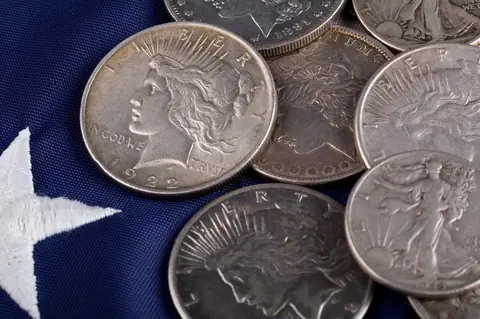 Silver coins, dollars and sterlingPre-1965 silver, Morgan and Peace dollars, sterling flatware and jewelry.
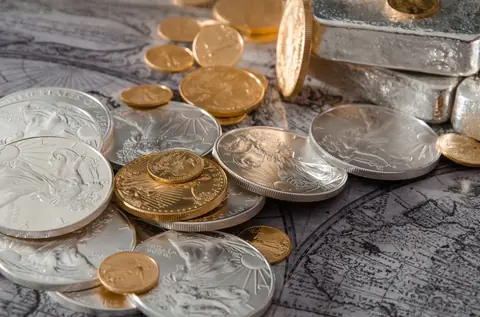 Bullion bars and roundsGold and silver bars, rounds, Silver Eagles and other bullion coins.
- Old paper moneySilver certificates, red seals, large size notes and St. Louis national bank notes.
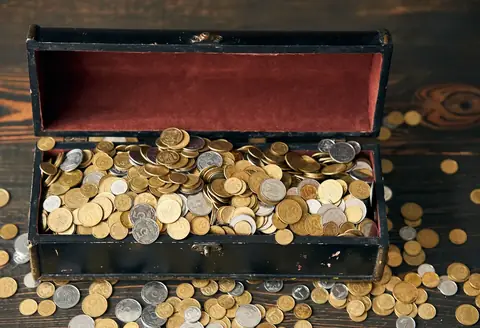 Inherited collectionsFor families and executors settling a parent's coins, gold, silver and old money.
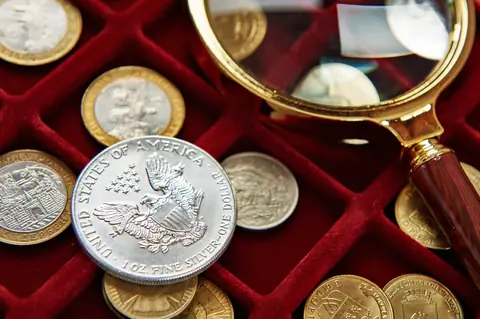 Free appraisalsA written look at what you own, and no obligation to sell any of it.
How a sale works
Get in touch
Call or send the form with a rough idea of what you have. We call back the same business day.
Watch the appraisal
Coins are graded under magnification, notes checked and gold and silver weighed in front of you.
Decide on your terms
Accept it, sell part of it, or keep everything along with the written list.
A river city full of old money
Pierre Laclède and Auguste Chouteau set up a fur trading post here in 1764, and St. Louis has been a money town ever since: steamboats, brewing, shoes, streetcars and aircraft. For much of the 1800s it was one of the biggest cities in the country, with dozens of banks printing their own notes.
In 1904 the world came to Forest Park for the Louisiana Purchase Exposition, and families bought souvenir medals and commemorative gold dollars that still turn up in drawers today. Add generations of German and Italian families who saved in coin, and St. Louis homes hold a lot worth a careful look.

Worth knowing before you sell
- 1903 and 1904World's Fair coins and medalsLouisiana Purchase gold dollars and fair souvenirs, from common to scarce.
- Raw or gradedCoins without holdersMost old coins have never been graded. Here is how they are priced.
- Step by stepSelling a whole collectionHow to sort, value and sell a coin collection without losing money.
City, county and beyond
We work with sellers in the city, across St. Louis County and out into St. Charles County.
Questions sellers ask
Where can I sell coins in St. Louis?
St. Louis Coin Buyers buys old coins, gold, silver, bullion and old paper money by private appointment, Monday to Friday. Call 314-891-0078 or send the form, and we will set a time.
Do you buy coins that are not graded?
Yes. Almost everything we buy is raw, meaning not in a grading holder. We grade it ourselves at the appointment.
Do you buy old paper money?
Yes. Silver certificates, red seals, large size notes and national bank notes from St. Louis banks are all welcome.
Is there a charge to look at my coins?
No. The appraisal is free, and you keep everything if you say no.
How do you pay?
Ask about payment when you book. Larger sales can be paid by bank wire.
Rather we call you?
Not ready to phone? Leave a name and number, say what you have, and we will call you.
Find out what your coins and old money are worth
Call for a free private appraisal anywhere in the St. Louis area. Every coin, bill and piece of gold is checked where you can watch, and the offer is written down.